
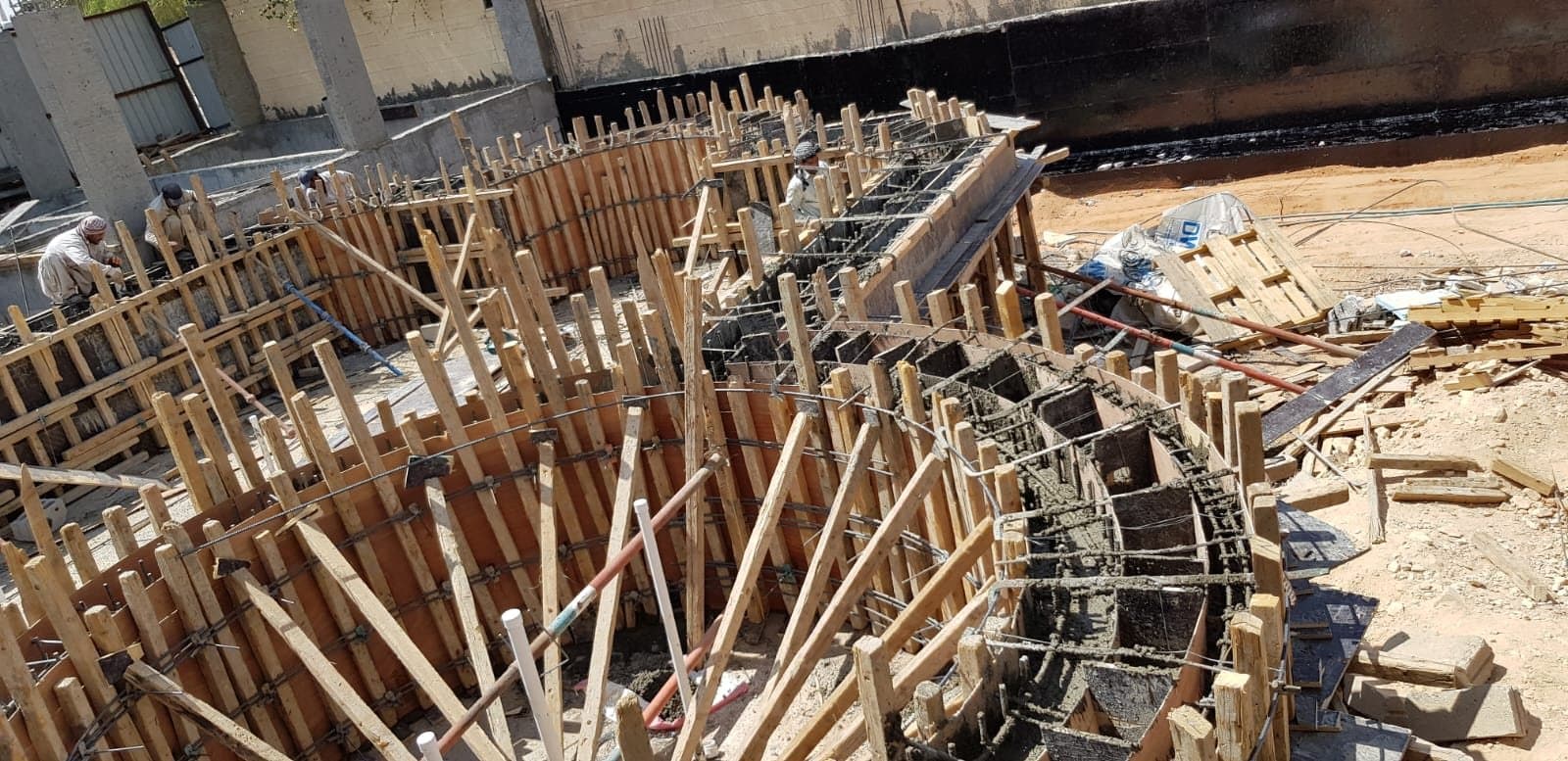
We build with our own crews.
Section self-performs across five business lines, which means the people on site work for us. If you want your name on the work rather than on a subcontract, this is the right place to send a CV.
Four things worth knowing before you apply.
You're on our payroll
We self-perform rather than subcontract. Our engineers, foremen, and tradespeople are our own team — not hired out job to job.
Five business lines
A villa interior one month, a factory shutdown the next. The range is wider than most contractors of our size can offer.
Egypt and the Gulf
Work across Egyptian sites or on Gulf projects. Both are live, and people move between them.
Documented, not improvised
Method statements, stage inspections, and a permit-to-work system. You'll know what's expected before you start.
No advertised vacancies at the moment.
We hire continuously as projects mobilize, and most of it never gets advertised — a CV already on file is how people get called first. Send yours and we'll keep it for the next mobilization.
Twenty trades, self-performed.
These are the disciplines we keep in-house. If yours is on the list, your CV will find a home here.
Send a CV. Keep it short.
Two pages is plenty. What we actually read is the project list — what you built, where, at what scale, and what you were responsible for.
- Your discipline and years of experience
- Projects you've worked on — type, scale, and your role
- Where you're based and whether you can travel
- Certifications or licences, if your trade needs them
We read everything that arrives, but we only reply when there's something concrete to discuss — usually when a project is mobilizing and your discipline is needed. Your CV stays on file either way.